Crown Thinning in Mayfair
Professional Tree Care for Elegant Mayfair Properties
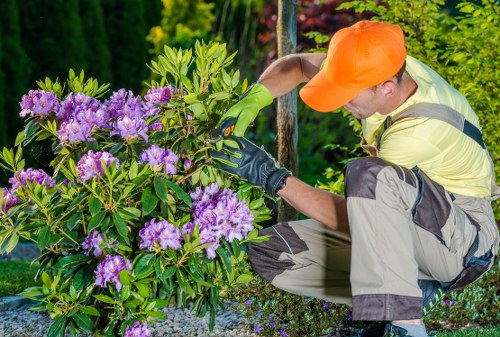
If you are looking for crown thinning in Mayfair, you are likely dealing with a tree that has become too dense, too heavy, or too dominant for its setting. In a neighbourhood known for refined townhouses, private gardens, leafy courtyards, managed estates, embassies, and high-value commercial frontage, trees need careful attention. They should enhance the property, not overwhelm it.
Crown thinning is one of the most effective ways to improve a tree’s structure while keeping its natural shape intact. Rather than reducing height or cutting back the outer edges dramatically, thinning removes selected branches from within the crown to let more light, air, and balance pass through the canopy. For Mayfair customers, that often means a cleaner outlook, better daylight to windows and gardens, reduced wind resistance, and a healthier tree that suits the surrounding architecture.
Whether the tree is in a private courtyard off a quiet mews, in a communal square garden, beside a mansion block, or outside a shop, restaurant, or office premises, crown thinning has to be planned carefully. Local access restrictions, pedestrians, parked vehicles, narrow roads, and the need to respect neighbouring properties all make professional handling especially important.
What Crown Thinning Means and Why It Is Requested

Crown thinning is a selective pruning method carried out by trained arborists. The aim is to remove a portion of the smaller, live branches throughout the crown without changing the tree’s overall height or outline too much. The result is a lighter, more open canopy that still looks natural.
This service is often requested for practical reasons. Homeowners may want more light into a townhouse garden or upper-floor rooms. Managing agents may need to reduce the build-up of dense growth that drops debris onto paths, terraces, or vehicles. Commercial property owners may want to improve the appearance of mature trees near entrances, seating areas, or frontages. In each case, the job is not just about appearance; it is about making the tree work better for the space around it.
When done properly, crown thinning can help to reduce strain on branches in windy conditions, improve air movement through the canopy, and support better overall tree health. It is especially useful for broadleaf species that have become congested over time. However, the work must be selective and restrained. Over-thinning can stress the tree and spoil the intended effect, so local knowledge and judgement matter.
Why Mayfair Properties Benefit from Careful Tree Thinning
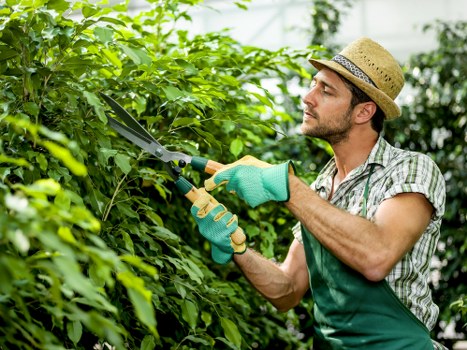
Mayfair has a distinctive mix of historic and modern properties, and that creates very specific demands for tree care. Mature trees may be positioned close to period façades, basement light wells, private courtyards, decorative railings, rear access lanes, roof terraces, and shared gardens. In such settings, too much dense growth can quickly cause issues with shade, dampness, blocked views, or restricted access.
Tree crown thinning in Mayfair is particularly valuable where space is limited and visual balance matters. A tree that seems perfectly suited to a larger suburban garden can feel overly heavy in a compact central London setting. Thinning can help the tree sit more comfortably within the landscape while preserving the character of the property.
It is also useful where there are nearby neighbours or sensitive uses such as residential courtyards, hospitality venues, boutique retail premises, or professional offices. More light can make an outdoor area feel larger and more welcoming, while improved airflow can help reduce the damp, still conditions that dense canopies sometimes create.
Signs Your Tree May Need Crown Thinning
Not every tree needs this treatment, but there are some common signs that indicate the crown may have become too congested. If you notice several of the points below, it may be time to request an inspection from a local tree care team.
- Branches crossing and rubbing inside the canopy
- Noticeable reduction in natural light reaching windows or seating areas
- Heavy, wind-catching growth that moves excessively in breezy conditions
- A dense crown that looks visually bulky against a fine building façade
- Debris accumulating more frequently on paths, terraces, or cars
- Reduced airflow around the tree, especially in enclosed gardens
- Uneven growth that makes the tree look unbalanced from the street
If you are unsure whether thinning is the right approach, a qualified arborist can assess the tree’s structure, species, and location before recommending any work. In Mayfair, that assessment is especially important because the wrong type of pruning can quickly affect both the tree and the appearance of the property.
In some situations, another service may be more suitable, such as crown lifting, deadwood removal, selective reduction, or a combination of treatments. A good local team will explain the options clearly and recommend the most appropriate method for your specific tree and setting.
How the Service Works

A professional crown thinning service usually begins with a site visit or a detailed discussion about the tree, the property, and the objectives of the work. This helps establish what degree of thinning is sensible and what should be avoided. In central London locations like Mayfair, the team will also consider access, timing, nearby occupiers, and any restrictions that may affect how the work is carried out.
The arborist will inspect the tree from ground level and assess its health, species, branch structure, and relationship to nearby buildings or hard surfaces. They will then decide which branches can be removed to achieve a better balance while keeping the tree strong and natural-looking. The work is carried out with professional pruning tools and, where needed, climbing or access equipment suited to the site.
After the thinning is completed, the team should remove arisings from the area and leave the site tidy. For many customers, especially those managing high-spec residential or commercial properties, this attention to finish is just as important as the pruning itself. You want the result to look intentional, neat, and in keeping with the surroundings.
What a good crown thinning visit usually includes
- Initial assessment of the tree and its location
- Discussion of your aims, such as light, appearance, or airflow
- Selective removal of internal branches only where appropriate
- Attention to the natural shape and species-specific growth habit
- Clear work area management and site tidying
- Advice on aftercare and future maintenance intervals
Residential Crown Thinning for Mayfair Homes

For homeowners in Mayfair, crown thinning can make a major difference to how a garden or terrace feels. Mature trees can add privacy and atmosphere, but if they become too dense, they may create deep shade, block views, or overpower a relatively small outdoor space. Selective thinning helps preserve the greenery while improving the usability of the area.
This is especially relevant for period houses, mews properties, and apartments with shared gardens or courtyard planting. In these settings, the goal is often to keep the tree elegant and restrained. A well-thinned canopy can improve daylight into adjacent rooms, reduce the sense of enclosure, and give planting below the tree a better chance to thrive.
Customers often ask whether thinning will damage the tree’s look. When carried out by experienced arborists, the answer should be no. The intention is not to create obvious gaps or strip the crown bare. Instead, the best work is barely noticeable as a cut from the ground, but the benefits are clear in the light, air, and overall balance it creates.
Commercial and Managed Property Tree Care
Practical support for offices, retail, hospitality, and estates
Mayfair’s commercial landscape brings its own tree maintenance priorities. Office buildings, members’ clubs, restaurants, hotels, embassies, and retail properties all benefit from trees that look well maintained and do not interfere with entrances, display areas, or outdoor seating. In these contexts, crown thinning can improve the visitor experience and help the building present itself at its best.
Managing agents and facilities teams often need work done with minimal disruption. That can mean planning around business hours, coordinating access with security, and keeping noise and debris under control. A local company familiar with the area is more likely to understand those pressures and work in a way that suits the pace and expectations of central London premises.
For commercial customers, tree care is not just a visual concern. Dense branches can reduce surveillance sightlines, collect litter, drop debris into hard-to-clean areas, and make external spaces feel less open. Crown thinning can help correct those issues while keeping the site attractive and professional.
Common reasons commercial clients request thinning
- To improve light around entrances and frontage areas
- To reduce wind loading on exposed crowns
- To keep paths, seating, and outdoor areas more comfortable
- To maintain a tidy appearance for visitors and staff
- To support long-term tree health in confined growing spaces
Local Access, Parking, and Site Challenges in Mayfair
Working in Mayfair is rarely straightforward, and that is exactly why choosing a local service matters. Streets can be busy, parking can be limited, and access to courtyards or rear gardens may be tight. Some properties have shared entrances, private mews access, security-controlled gates, or limited loading opportunities. All of these factors affect how tree work is planned and delivered.
Tree thinning in Mayfair often requires careful timing to minimise inconvenience to residents, neighbours, and businesses. Early coordination helps avoid clashes with deliveries, events, concierge arrangements, or other maintenance work on the property. The more complex the site, the more important it is to use a team that can adapt without compromising the quality of the finish.
There is also the matter of protecting surrounding features. Mayfair properties often have stone paving, decorative planting, high-end outdoor furniture, glass elements, and sensitive surfaces that need respect. Professional arborists understand how to work neatly and safely so the job leaves the property looking better, not disturbed.
Benefits of Crown Thinning
Why this service is chosen over heavier pruning
Crown thinning offers a balanced set of benefits, which is why it is often preferred when the tree is healthy but simply too dense. It can be a more subtle alternative to larger reductions or repeated hard cutting, especially where the tree needs to retain its mature form.
Key benefits include:
- Improved light penetration - More daylight can reach windows, gardens, terraces, and planting below.
- Better airflow - A lighter crown allows air to move through the tree more freely.
- Reduced wind resistance - Selective removal can help the tree cope better in exposed conditions.
- Enhanced appearance - The tree can look more elegant and proportionate to its surroundings.
- Less internal congestion - Removing crossing and rubbing branches can improve the structure.
- Better use of outdoor space - Shadier, more enclosed areas often feel more open and pleasant after thinning.
It is worth remembering that thinning should be tailored to the tree’s species and condition. Some trees benefit from a light touch, while others may need a carefully judged combination of thinning and other pruning techniques. The best results come from a thoughtful, measured approach rather than a one-size-fits-all method.
What to Expect from a Reliable Local Team
Customers arranging tree crown thinning in Mayfair usually want three things: a neat result, minimal disruption, and confidence that the tree is being handled properly. A reliable local company should be able to explain the work clearly, carry it out safely, and leave the area tidy once finished.
Look for a team that listens carefully to your priorities. For example, you may care most about light into a rear room, maintaining privacy, preserving a view, or preventing branches from overhanging a neighbour’s boundary. The right arborist will balance those needs with the tree’s natural shape and long-term wellbeing.
Local familiarity is also valuable because central London tree jobs often need practical problem-solving. A team that regularly works in Mayfair is more likely to understand the pace of the area, the expectations of property managers, and the need to work considerately around residents and guests.
Good service usually means clear communication before, during, and after the work
That can include a plain explanation of what will be removed, how much thinning is appropriate, what access is needed, and how the site will be left. For many customers, that clarity is what makes the decision easy.
Preparation Checklist Before the Work Takes Place
If you are booking crown thinning, a little preparation helps the visit run smoothly. This is especially true in Mayfair, where access and parking arrangements may need to be confirmed in advance.
- Identify exactly which tree or trees need attention
- Consider what you want to improve most: light, shape, airflow, or clearance
- Check whether the tree is in a private garden, communal space, or managed property
- Make sure access points, gates, or courtyard entrances can be opened as needed
- Remove fragile items from the immediate work area if possible
- Inform neighbours, building staff, or management teams if the work may affect them
- Raise any known concerns, such as proximity to wires, walls, or glazing
You do not need to diagnose the tree yourself. That is the arborist’s role. But having a clear idea of your goals helps ensure the final result matches your expectations. If you are unsure whether the canopy is too dense or whether another type of pruning is better, ask during the quotation stage.
Pricing Factors to Consider
Exact prices are not fixed in advance because every tree and property is different. The cost of crown thinning depends on a range of practical factors, and it is sensible to request a tailored quote rather than rely on assumptions.
Typical pricing factors include:
- The size and height of the tree
- How dense the crown is
- How easy it is to access the site
- Whether specialist equipment is required
- The amount of waste to remove from the property
- Any need to work around nearby structures or sensitive features
- Whether multiple trees are being maintained at the same visit
In Mayfair, access often influences cost more than customers expect. A tree in a spacious front garden may be simpler to manage than one in a rear courtyard accessed through narrow passages or shared areas. Likewise, a straightforward job at ground level may differ significantly from one requiring climbing or sectional dismantling techniques.
That is why a proper quote should reflect the actual site conditions. A good company will ask enough questions to understand the job and avoid surprises later on. If your property management team needs documentation or scheduling detail, mention that early in the process.
Why Choose a Local Company for Mayfair Tree Work?
Choosing a local team for crown thinning in Mayfair offers several advantages. Firstly, local arborists are more likely to be familiar with the property styles, street layouts, and logistical realities of the area. Secondly, they are used to working in busy, high-value environments where tidy workmanship and respectful conduct matter.
There is also a practical benefit to working with a nearby team when scheduling is important. Local crews can often plan site visits more efficiently and respond more flexibly to the needs of residents, facilities managers, or business owners. That matters when you are trying to coordinate around busy household routines or commercial opening hours.
Finally, local knowledge often leads to better recommendations. Trees in central London live under different pressures than those in open suburban sites. They may be affected by building shade, reflected heat, compacted soils, limited rooting space, and regular pruning histories. A team that understands those conditions can make more informed decisions about how much thinning is appropriate and what to leave in place.
Areas Covered Around Mayfair
Customers often ask whether a service is available beyond the immediate streets of Mayfair. In many cases, the answer is yes. Local tree work commonly extends into nearby areas where similar property types and access challenges are found.
- Mayfair
- Marylebone
- St James’s
- Belgravia
- Knightsbridge
- Soho
- Hyde Park and nearby residential streets
- Fitzrovia
- Central Westminster locations
If your property sits just outside Mayfair, it is still worth asking. The key factor is usually whether the tree and site conditions suit the type of work you need. Local teams that regularly operate in the West End are often well placed to handle these jobs.
Frequently Asked Questions
How do I know if my tree needs crown thinning or crown reduction?
Crown thinning is usually chosen when the tree is healthy but too dense, and you want more light or airflow without changing the overall size much. Crown reduction is more appropriate when height or spread needs to be lowered. An arborist can assess the tree and advise which method fits your aim.
Will thinning damage the tree?
When done correctly and in moderation, thinning should not damage the tree. In fact, it can improve internal structure and reduce congestion. Problems usually arise when too much material is removed or when cuts are made without understanding the tree’s natural growth pattern.
Can crown thinning help with a tree that is blocking light?
Yes. That is one of the most common reasons people request the service. While it will not turn a shady garden into full sun, it can make a noticeable difference to daylight levels and the overall feel of the space.
Is crown thinning suitable for older trees?
Often yes, but the amount removed needs to be carefully controlled. Older trees may have historic pruning wounds, reduced vitality, or structural features that require a gentle approach. An assessment is the best starting point.
Do I need to prepare anything before the team arrives?
Usually just clear access where possible, advise about any locked gates or restrictions, and tell the team about any special concerns. If the property is managed, it helps to confirm access arrangements in advance.
Can this be done on commercial premises without disrupting business?
In many cases, yes. A local team can often schedule work around business needs, though the exact approach depends on access, tree size, and the amount of pruning required.
Book Crown Thinning in Mayfair with Confidence
If your tree is becoming too dense, too heavy, or too dominant for its setting, crown thinning in Mayfair may be the right solution. It is a refined, practical pruning method that helps trees sit more comfortably within a high-value urban environment while preserving their natural character.
From private gardens and mews properties to managed estates and commercial frontages, the benefits are clear: more light, improved airflow, a tidier appearance, and a better fit for the property. Just as importantly, a local arborist can plan the work around the practical realities of central London access and parking.
Contact us today to discuss your tree, request a free quote, or arrange a visit. If you are ready to improve the look and feel of your property, book your service now and let an experienced local team handle the work with care and precision.