Tree inspections in Mayfair: local tree safety checks for homes, gardens, estates, and commercial properties
Tree inspections in Mayfair are an important part of looking after the trees that shape the character of one of London’s most distinguished neighbourhoods. Whether you manage a townhouse garden, a residential block, a private courtyard, a hotel frontage, or a commercial property close to the West End, regular tree checks help you understand the condition of your trees and the risks they may pose. In an area where access is often tight, trees are often mature, and the mix of historic and modern properties creates unique challenges, having a skilled local team assess your trees can make day-to-day management much easier.
Well-timed inspections are not only about spotting obvious issues. They help identify decay, deadwood, poor structure, storm damage, root problems, and signs of stress before they become expensive or disruptive. For many Mayfair property owners, managers, and occupiers, tree inspections support better planning, safer outdoor spaces, and more confident decisions about pruning, remedial work, or ongoing maintenance. If you are responsible for trees in Mayfair, arranging a professional inspection is a practical step that can save time, reduce uncertainty, and protect people, property, and valuable landscape features.
Local tree inspections can also be useful when you are planning building work, assessing a newly purchased property, checking on a tree after severe weather, or simply keeping up with routine care. From private landscaped gardens and communal courtyards to rooftops, mews properties, and business premises, a tailored inspection gives you a clear picture of what is happening with your trees and what action, if any, may be needed next.
Why tree inspections matter in Mayfair

Mayfair is known for elegant streets, mature planting, high-value properties, and carefully maintained outdoor spaces. Those same qualities mean trees often need close attention. Many are growing in constrained environments such as small garden plots, paved courtyards, basement-lightwells, and tree pits near footpaths or building walls. In these settings, even a tree that looks healthy from the outside may be developing structural or root-related issues that are not immediately visible.
A professional tree inspection in Mayfair helps reduce risk and support long-term tree health. It can highlight whether a tree needs deadwood removal, crown reduction, soil improvement, cabling, monitoring, or more detailed assessment. For landlords, estate managers, managing agents, freeholders, and homeowners, this clarity is valuable. It makes it easier to decide whether to retain a mature tree, carry out targeted maintenance, or address a concern before it affects nearby buildings, vehicles, or pedestrians.
There is also a strong practical side to inspections in this part of London. Access can be limited, parking can be difficult, and operations often need to fit around neighbours, residents, concierge teams, tenants, and business activity. A local team familiar with Mayfair can plan inspections efficiently, work sensitively around the property, and provide recommendations that suit the location, the season, and the way the site is used.
Who needs tree inspections in Mayfair?
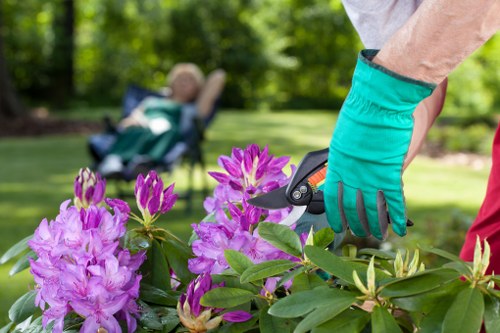
Tree inspections are relevant to a wide range of customers. In Mayfair, that includes private homeowners, residential landlords, block managers, estate teams, commercial landlords, hotels, embassies, offices, retailers, and anyone responsible for a tree on a shared or managed site. The service is especially useful where trees are close to buildings, boundaries, public footways, or underground services, or where there has been recent construction, heavy pruning, or visible decline.
Homeowners often request an inspection when they notice dead branches, reduced leaf growth, fungal fruiting bodies, cracks, or unusual leaning. Managing agents may need regular checks to keep communal areas safe and to support maintenance planning. Commercial customers may want inspections to ensure their site remains presentable and safe for staff, visitors, and delivery traffic. In all these cases, an inspection provides informed next steps rather than guesswork.
Tree inspections in Mayfair are also helpful after strong winds, prolonged dry periods, waterlogging, or sudden temperature changes. Trees in urban settings can be stressed by compacted soil, limited rooting space, reflected heat, and repeated disturbance from nearby works. A local inspection can pick up these factors early, which may help avoid emergency callouts or avoidable disruption later.
What a tree inspection includes

A good tree inspection looks at both the visible condition of the tree and the surroundings that may affect its stability and health. The exact scope can vary depending on the site and the reason for the visit, but it usually involves a careful visual assessment from ground level. The tree’s species, age, form, condition, structural features, and growing environment are all considered alongside the presence of targets such as pathways, entrances, parking areas, and neighbouring buildings.
Typical inspection points can include trunk condition, branch attachment, crown shape, deadwood levels, signs of decay, lifting roots, soil condition, fungal activity, pest or disease symptoms, and evidence of damage from previous works or weather. Where appropriate, the arborist may also consider whether further investigation is needed, such as a more detailed report, a repeat visit, or specialist testing. The aim is to give you a sensible and proportionate view of the tree’s condition.
Many customers value a written summary of the findings, especially where there are multiple trees or ongoing obligations to meet. A clear report can help with internal records, property management decisions, maintenance scheduling, and communication with contractors or neighbours. For sites with several mature trees, periodic inspections can also help create a more consistent tree care plan over time.
Examples of what may be assessed
- Overall crown vitality and leaf density
- Dead, dying, or fractured branches
- Signs of decay, cavities, or structural defects
- Root plate movement or soil heave
- Fungal growth at the base or on branches
- Damage caused by construction, vehicles, or pruning
- Potential impacts on buildings, paths, and public access
- Any immediate hazards or areas needing monitoring
How tree inspections work
Most tree inspections in Mayfair begin with a discussion about your concerns and the property layout. This helps the arborist understand whether you are worried about safety, planning, tree health, boundary issues, development works, or simply the need for routine maintenance. Once on site, the inspector will visually examine the tree, consider the surrounding environment, and note any signs that point to current or future problems.
After the inspection, you should receive practical recommendations based on the tree’s condition and the context of the site. That may include no immediate action, pruning, further monitoring, more detailed investigation, or a recommendation for remedial work. The best advice is usually specific rather than generic, because a mature plane tree in a courtyard does not present the same issues as an ornamental tree in a front garden or a tree growing beside a busy commercial entrance.
For many clients, the value of the process lies in making informed choices without unnecessary work. A well-conducted inspection can reassure you that a tree is sound, identify a minor issue before it worsens, or confirm that action is needed soon. In a busy district like Mayfair, that can help property owners plan around occupiers, neighbours, and access constraints with far less disruption.
When to book an inspection
Tree inspections are worth arranging when:
- You notice dead branches, cracks, fungi, or poor leaf development.
- A tree is close to a building, boundary, road, or high-traffic area.
- There has been strong wind, heavy rain, drought, or construction activity nearby.
- You are planning renovation, landscaping, or building works near tree roots.
- You manage a site and need ongoing records or periodic reviews.
Why local knowledge matters in Mayfair

Mayfair has its own practical realities, and a local tree specialist understands them. Access routes may be restricted, loading bays can be limited, and some properties require coordination with concierges, security staff, residents, or facilities managers. In many cases, tree work or inspection needs to be timed carefully to avoid interrupting business operations, guest access, or deliveries. A local team that works regularly in central London is better placed to handle these details smoothly.
Tree inspection in Mayfair also benefits from familiarity with the kinds of trees commonly found in the area and the conditions they grow in. Mature street trees, courtyard specimens, and ornamental planting often face compacted soils, reflected heat, shallow rooting zones, and pressure from surrounding hard surfaces. Recognising these local factors helps the arborist give more accurate advice about the likely cause of a defect and the most suitable response.
There is also value in using a company that understands the broader context of neighbouring areas such as St James’s, Marylebone, Fitzrovia, Soho, Belgravia, Knightsbridge, and Hyde Park. These nearby districts share similar property types, access challenges, and expectations around presentation, making regional experience especially useful when planning inspections or follow-up tree care. For customers, that often means fewer delays and more practical recommendations.
Common issues found during inspections
Not every concern requires major work, but inspections often uncover issues that are easy to miss without training. In central London settings, trees are frequently exposed to pressure from nearby buildings, pedestrians, infrastructure, and environmental stress. Understanding these issues early can help you manage them in a measured way.
Some of the more common findings during tree inspections in Mayfair include deadwood in the upper crown, weak branch unions, minor decay in older specimens, and evidence of prior pruning that has left the tree unbalanced. Trees may also show symptoms of drought stress, leaf scorch, chlorosis, pests, or poor soil conditions. In some cases, the concern is not the tree itself but its relationship to the site, such as contact with a façade, overhanging branches near windows, or roots lifting paving.
Because many trees in Mayfair are mature and valued for their appearance, inspections often need to balance safety with preservation. That means looking carefully at whether the tree can be retained with selective maintenance, whether monitoring is the right course, or whether the risk level suggests more active intervention. Customers usually appreciate advice that explains the trade-off between keeping a tree and keeping the property safe and manageable.
Why early action helps
Minor defects are often far easier and less disruptive to address than larger structural problems. Early detection can help preserve trees for longer, reduce the chance of emergency work, and prevent avoidable damage to surfaces, nearby planting, or buildings. It also gives property owners more time to plan the next steps carefully, especially where permissions, neighbours, or occupiers need to be considered.
Tree inspections for residential properties
Many Mayfair homes have trees that contribute to privacy, shade, and the overall feel of a garden or courtyard. These trees can be a major asset, but they still need periodic inspection. Residential customers often want reassurance that the tree near the house is safe, that overhanging branches are not becoming a nuisance, or that a mature specimen is not undermining the paving, walls, or drainage around it.
For homeowners, inspections can be especially useful before carrying out landscaping, installing lighting, refurbishing outdoor areas, or making changes to garden structures. A tree may look established and healthy, yet still need a closer check before work starts nearby. This is particularly important in tightly arranged mews properties, basement gardens, and shared courtyards where roots and access space are limited.
When the inspection is part of a regular care routine, it becomes easier to understand how a tree is changing over time. This can be reassuring if the tree is a longstanding feature of the property or has particular amenity value. Rather than waiting for a problem to become obvious, you can keep track of the tree’s condition and address issues in good time.
Useful for homeowners
- Checking trees close to houses and boundary walls
- Reviewing trees before or after garden improvements
- Assessing storm impact or seasonal decline
- Understanding whether pruning or monitoring is advisable
Tree inspections for commercial and managed properties
Commercial and managed properties in Mayfair often need a more structured approach. Hotels, offices, retailers, restaurants, embassies, and mixed-use buildings may all have trees that affect entrances, customer areas, forecourts, or internal courtyards. In these settings, tree inspections are not just about plant health; they are also about presentation, access, and reducing avoidable disruption to daily operations.
Facilities teams and managing agents often prefer a local arborist who can work around opening hours, loading schedules, and visitor movement. A tree that overhangs a pavement or drop-off point may need attention for both safety and appearance. If a site has several trees, inspections can help prioritise which specimens need action first and which can be monitored over time.
For larger properties, tree inspections can support planned maintenance rather than reactive decision-making. That means fewer surprises, clearer budgets, and better coordination with other works. If there are concerns about root activity near hard landscaping, drainage, or nearby walls, an inspection can also help establish whether the issue is likely to progress or remain stable with the right care.
What to expect from a local tree inspection visit
Customers often want to know what happens on the day. In most cases, the visit is straightforward and designed to minimise disruption. The arborist will usually arrive with the information needed to locate the tree or trees, carry out the inspection from ground level, and discuss any noticeable concerns. Where access is limited, the inspection may need to be arranged with a concierge, estate office, or building manager so the visit can be completed efficiently.
Because Mayfair properties are often close together, it is helpful to think about whether the trees can be viewed safely from all sides and whether any internal or shared areas need access. A local team is likely to be used to handling these arrangements professionally and discreetly. After the visit, the next step is usually a clear explanation of what was found and what, if anything, should happen next.
If action is recommended, this can often be scheduled in a way that suits the site. That may mean pruning, deadwood removal, a follow-up assessment, or monitoring after a defined period. For many customers, this step-by-step approach is what makes professional inspections worthwhile: it turns uncertainty into a practical plan.
Simple preparation checklist
- Note any visible changes you have noticed, such as leaning, cracking, or reduced growth.
- Make sure access points, gates, or communal entrances can be reached on the day.
- Tell the arborist about nearby works, recent storms, or site restrictions.
- Gather any previous tree records if they are available.
- Identify whether the concern is safety, health, planning, or maintenance related.
Pricing factors and what affects the cost
Customers frequently ask what influences the cost of tree inspections in Mayfair. While exact prices vary from job to job, several factors usually affect the quote. These include the number of trees involved, the size and maturity of the trees, how easy they are to access, whether a written report is required, and whether the inspection needs to be more detailed because of a specific concern or a planning-related requirement.
Access conditions are often a major factor in central London. A single tree in a private garden may be straightforward to inspect, whereas several trees across a managed estate with restricted entry may take longer to assess. If the site involves shared entrances, limited parking, or coordination with a building team, that can also influence the time needed on site. The most accurate way to understand cost is to request a quote based on your actual property and requirements.
It is also worth considering value rather than focusing only on the initial fee. A careful inspection can help you avoid unnecessary work, support targeted maintenance, and reduce the chance of more serious problems later. For many Mayfair customers, that makes a local, professional assessment a sensible investment in the long-term condition of the property.
Why choose a local company for tree inspections in Mayfair
Choosing a local company brings practical benefits that matter in a busy and high-value area. A team working regularly in Mayfair will understand how to handle access constraints, neighbour considerations, and the need for a tidy, respectful presence on site. That local familiarity can make the whole process smoother, from the first enquiry through to the inspection visit and any follow-up recommendations.
Local knowledge also helps when trees are growing near historic façades, basement levels, ornate paving, or compact planting beds. An experienced arborist can interpret what they see in context, which is important in urban settings where the same visible symptom can point to different underlying causes. Rather than giving one-size-fits-all advice, a local professional can tailor recommendations to the property type and the way the space is used.
For customers who manage multiple sites across central London, a local tree inspection service can also be easier to coordinate. If you need checks at properties in Mayfair and nearby districts, working with one team familiar with the area can save time and help create a more consistent standard of care across your portfolio.
Benefits of using a local arborist
- Better understanding of central London access issues
- Familiarity with common urban tree stresses
- More practical recommendations for local property types
- Efficient scheduling around residents, staff, or visitors
- Useful support for ongoing tree care planning
Areas covered
Tree inspections in Mayfair are often requested alongside work in the surrounding West End and nearby central London locations. A local team may also cover nearby neighbourhoods such as St James’s, Marylebone, Belgravia, Knightsbridge, Soho, Fitzrovia, Hyde Park, and other close-by areas where mature trees and tight access conditions are common. This is helpful if you manage properties across more than one location and want the same standard of inspection throughout.
Coverage can include residential streets, private gardens, courtyards, mews properties, commercial premises, hospitality sites, and managed estates. If you are unsure whether your property falls within the area served, it is worth making an enquiry and explaining the site type. A local company can then confirm whether they can assist and what information is needed for an accurate quote.
Frequently asked questions about tree inspections in Mayfair
How often should trees be inspected?
The right frequency depends on the species, age, location, and condition of the tree. Mature or high-risk trees near buildings, paths, or entrances may need more regular review than smaller or less exposed specimens. If you are unsure, a local arborist can suggest a sensible inspection cycle based on the site.
Do I need an inspection if the tree looks healthy?
Yes, sometimes. A tree can appear healthy while still having structural weaknesses, root issues, or decay that are not obvious from a casual glance. This is especially true in urban settings where trees may be under stress from restricted growing space or nearby construction.
Can one inspection cover several trees?
Often, yes. If you have multiple trees in a garden, courtyard, or managed estate, they can usually be assessed during the same visit. This is often the most efficient option for Mayfair properties with several planted areas or shared outdoor spaces.
What if the tree needs urgent attention?
If an inspection identifies an immediate hazard, you should arrange appropriate action as soon as possible. The specific response depends on the issue, but the key point is that a professional assessment helps you understand whether something needs prompt attention or can be monitored safely for now.
Will the inspection be disruptive?
Most inspections are minimally disruptive, especially when access and timing are planned in advance. A local team familiar with Mayfair can usually work around property routines, building access requirements, and the need to maintain a tidy, discreet presence.
How to arrange tree inspections in Mayfair
If you are responsible for a tree in Mayfair and want clear, practical advice, the next step is simple: request an inspection and explain what you need checked. Whether the concern is safety, general condition, post-storm damage, or routine maintenance, a local arborist can assess the tree and recommend an appropriate course of action. This is often the best way to move forward with confidence, especially when the tree is close to valuable property or in a high-traffic area.
For many customers, the real benefit is peace of mind. You know the tree has been looked at properly, you understand the condition of the site, and you can decide whether to carry out work now, monitor the tree, or keep it on a regular review schedule. That makes tree care far more manageable for both homeowners and commercial property teams.
Contact us today to discuss your tree inspection needs in Mayfair, request a free quote, or book your service now. If you are comparing options, choose a local team that understands the area, the properties, and the practical realities of working in central London. The right inspection can help protect your property, support the health of your trees, and make future maintenance much easier to plan.